

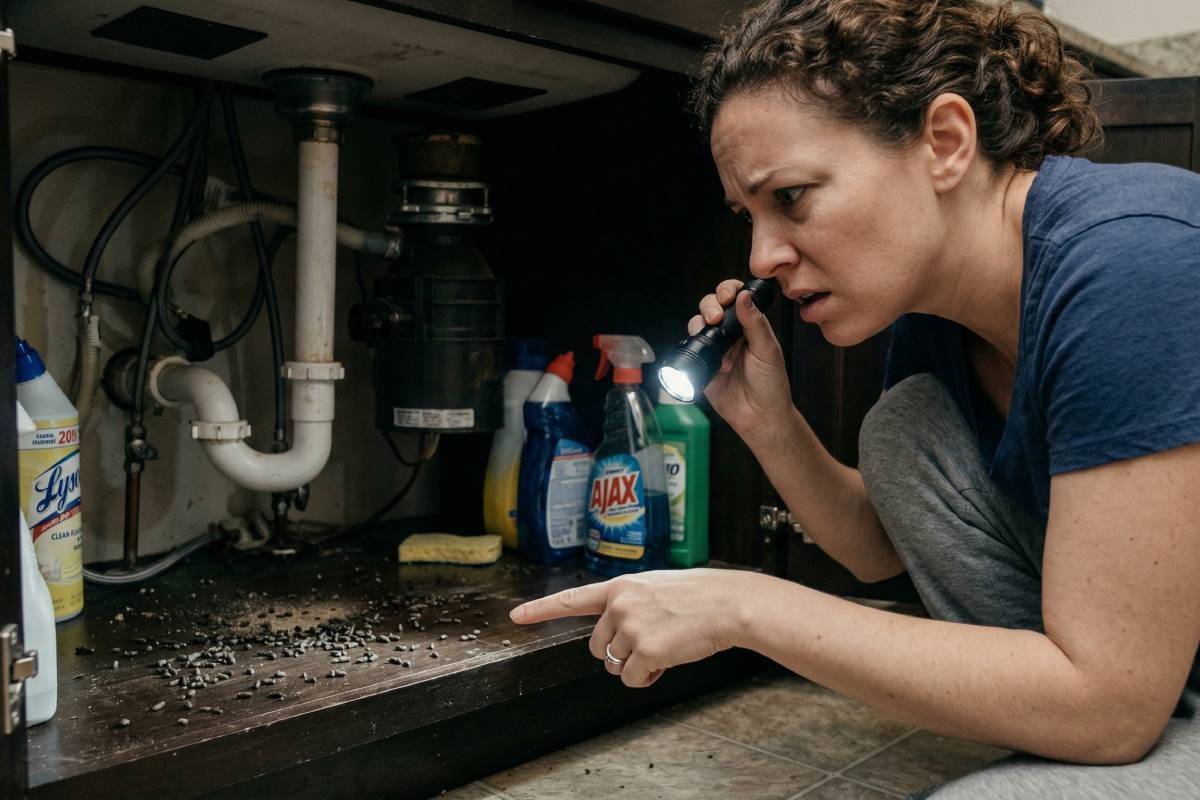
Why the First 24 Hours Are Critical
You’ve found droppings behind the fridge. Or a trail of ants that vanished into the skirting board. Or something worse. The next 24 hours will determine whether this stays a minor problem or becomes a full-scale infestation requiring thousands of dollars in treatment.
Most people either freeze or overreact; both responses let the infestation spread. Pests breed fast: a single female German cockroach can produce up to 30,000 offspring in a year (University of Florida Entomology Department). What you do in the next few hours directly limits that trajectory.
This guide gives you a time-based protocol, not a vague checklist. Follow it in order.
Hour 0–2: Identify and Document
Do not start spraying anything yet.
Your first job is identification, because the wrong treatment for the wrong pest wastes time and can scatter an infestation into harder-to-reach areas. Cockroaches sprayed with a surface spray in the kitchen will disperse into wall cavities. Rodents disturbed mid-nest will relocate.
What to Look For
Check for the following across every affected room:
- Droppings: Rodent droppings are pellet-shaped (6–12mm). Cockroach droppings resemble ground pepper or small dark smears. Bed bug droppings appear as rust-coloured dots on fabric.
- Nesting material: Shredded paper, insulation, or fabric pulled into corners indicates rodents.
- Grease trails: Cockroaches leave oily smear marks along walls and skirting boards near their travel routes.
- Structural damage: Termites leave mud tubes on walls and hollow-sounding timber when tapped.
- Live or dead specimens: Photograph whatever you find — your pest control technician will want to see them.
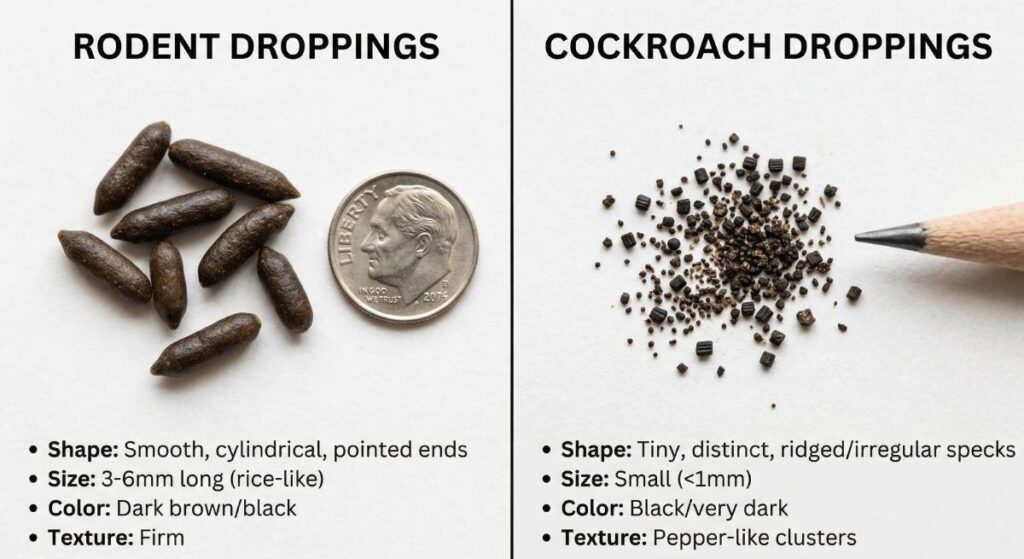
Document Everything
Take photos of all evidence and note the exact locations. This serves two purposes: it helps a pest control professional give you an accurate quote, and it tracks whether the infestation is growing or stable across the 24-hour window.
Write down the time you found each sign. If you see live pests again in a different location within hours, the infestation is active and moving.
Hour 2–8: Contain the Problem
Once you know what you’re dealing with, your next goal is to stop the infestation from spreading to new areas, not to eliminate it. Elimination without professional treatment often fails. Containment buys you time and reduces the scope.
Remove Food and Water Sources
This is the single highest-impact step for every pest type. Pests don’t stay where food isn’t available.
- Transfer all dry goods (cereals, rice, flour, pet food) into airtight containers
- Empty and clean the area under the sink. This is the most common cockroach harborage point in Australian kitchens
- Fix any dripping taps or leaking pipes; rodents and cockroaches are as attracted to water as they are to food
- Remove rubbish bags from inside the home to an external sealed bin
Seal Entry Points You Can See
Don’t wait for a professional to handle gaps you can close right now:
- Push steel wool into gaps around pipes (temporary measure — rodents cannot chew through it)
- Apply weather stripping to the base of doors with visible gaps
- Seal cracks in skirting boards with paintable caulk
This will not solve the infestation. It will slow the spread into adjacent rooms or neighbouring properties while you organise the next steps.
Isolate Affected Items
If you’ve found bed bugs or signs of stored-product pests (weevils, pantry moths), bag and seal the infested items in heavy-duty plastic bags before removing them. Do not carry infested fabric items through unaffected rooms.
Hour 8–24: Decide — DIY or Call a Pro?
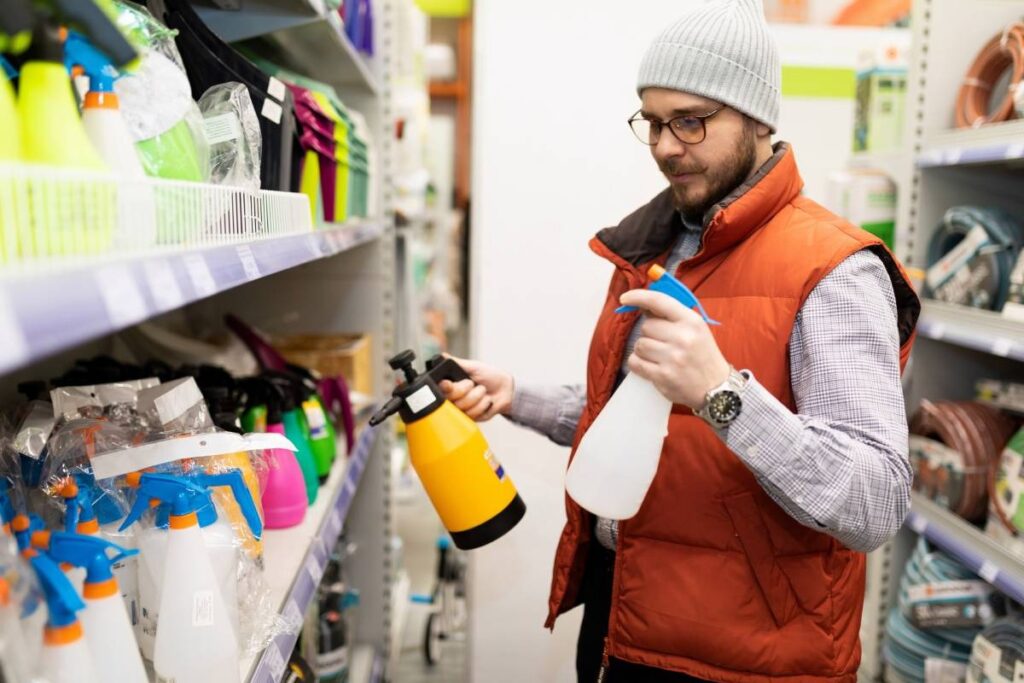
This is the decision point most people get wrong. The default response is usually to buy a can of surface spray from the supermarket. For most infestations, that’s the wrong call and here’s why.
The Honest DIY Assessment
| Pest Type | DIY Viable? | Why |
| Occasional invaders (ants, spiders) | Yes — with correct bait/product | Low colony pressure, surface accessible |
| German cockroach infestation | No | Breed inside walls; surface spray disperses them |
| Rodents (mice or rats) | Partial | Traps work for 1–2 mice; active colonies need a pro |
| Termites | No | DIY treatment disturbs colonies, triggers satellite colonies |
| Bed bugs | No | Require heat treatment or professional-grade chemical protocol |
| Stored product pests (pantry moths/weevils) | Yes | Identify and remove source, clean shelving |
The rule: if you cannot see the nest or entry colony, DIY products treat symptoms, not the problem.
Among Australia’s invasive species, fire ants are notoriously difficult to eradicate without professional intervention. Colonies can contain up to 500,000 workers and will relocate when disturbed rather than collapse.
If You’re Going DIY
Use gel baits for cockroaches, not sprays. Gel bait (containing hydramethylnon or fipronil) allows cockroaches to carry the poison back to the nest. Apply pea-sized amounts in dark, tight spaces, hinges, under the fridge, and inside cabinet corners. Do not apply alongside surface sprays; the repellent in sprays will prevent cockroaches from approaching the bait.
For ant invasions, use borax-based bait stations and resist the urge to spray the trail. The trail is your route to the nest; following it identifies where to place bait effectively.
Pest-Specific First Steps
Cockroaches
German cockroaches (the small ones, 12–15mm) are the highest-risk species in Australian homes. They carry pathogens, including Salmonella and E. coli, on their bodies and in their droppings. A cockroach seen during the day is a significant warning sign — it indicates the harborage is overcrowded and pests are being pushed out.
Immediate action: remove all food sources, apply gel bait in dark harborage zones, photograph evidence, and call a pest control professional within 24 hours if you see more than one live cockroach.
Rodents
A single mouse sighting does not confirm an infestation, but it warrants immediate trap placement. Use snap traps baited with peanut butter or chocolate, placed perpendicular to the wall (not parallel), as mice travel along walls and step over parallel traps. Place traps in pairs at 1–2 metre intervals along known travel routes.
If you catch nothing within 48 hours but still see evidence, the population is larger than traps can handle, and you need a professional rodent baiting programme.
Termites
Do not disturb. This is the critical rule. If you find mud tubes, hollow-sounding timber, or damaged wood with a papery surface, do not break open the tube or probe the damaged timber. Disturbing termites causes them to abandon the gallery and establish new entry points, sometimes into previously unaffected parts of the structure.
If you’re in South East Queensland, licensed operators like SWAT Pest Control Brisbane offer same-day inspections for active infestations useful when you need a professional assessment before the problem escalates overnight. Under Australian building law, termite damage is generally not covered by home insurance, making speed the primary financial protection.
Bed Bugs
Bed bugs (Cimex lectularius) are transported on luggage, second-hand furniture, and clothing. If you find rust-coloured spots on your mattress seams, shed skins (translucent, 1–2mm casings), or small live insects in the seams of your bedding, do not move the mattress out of the room.
Moving an infested mattress carries bed bugs to every room it passes through. Bag clothing from the affected room in sealed plastic, wash at 60°C or above, and dry on high heat. Call a professional. Bed bugs require heat treatment or multiple chemical applications to eradicate.
What NOT to Do in a Pest Emergency
These are the mistakes that turn a manageable problem into a property-wide infestation:
Don’t use a bug bomb (fogger) in an enclosed room. Foggers drive cockroaches and spiders deeper into walls and electrical fittings. They leave toxic residue on surfaces while failing to penetrate harborage zones.
Don’t move furniture between rooms until you’ve identified the pest. Bed bugs and stored product pests hitchhike on upholstered furniture.
Don’t ignore the ceiling and roof cavity. Rat runs are almost always in the roof void. Seeing a rat at ground level means there’s a colony above you.
Don’t delay because you’re “waiting to see if it gets worse.” An established colony of German cockroaches can double in size in under six weeks.
Health Risks You Cannot Ignore
Pest infestations are not just a nuisance; they carry documented public health risks. The Australian Government’s Department of Health recognises rodents and cockroaches as vectors for diseases including leptospirosis, salmonellosis, and hantavirus.
Children and elderly people in infested homes show higher rates of asthma and allergic rhinitis. Cockroach allergens are a known asthma trigger. A 2016 study published in the Journal of Allergy and Clinical Immunology found cockroach sensitisation in 26% of asthmatic children in urban environments.
If anyone in your home has respiratory conditions, infants, or immunocompromising health issues, treat a pest infestation as a health emergency, not a maintenance task.
When to Call a Professional — And What to Tell Them
Call immediately (same day) if:
- You’ve found termites or evidence of termite activity
- You’ve seen more than two cockroaches in different areas
- You’ve found rodent droppings in a food preparation area
- You’ve identified bed bugs
- Anyone in the home has a compromised immune system or respiratory illness
What to tell the technician:
- The pest type or your best identification
- Exact locations where evidence was found (your photos help here)
- Whether you’ve applied any products already, this affects treatment choice
- Whether the building has had prior pest treatments, and what products were used
Giving incomplete information to a technician results in incomplete treatment. Be specific.

Quick Summary
- Act within the first two hours: Identify the pest accurately before touching anything or applying products. The wrong response scatters infestations.
- Contain before you eliminate: Remove food and water, seal visible entry points, and isolate affected items. This limits the spread while you plan treatment.
- Know when DIY fails: Cockroaches, termites, bed bugs, and active rodent colonies require professional treatment. Surface sprays and foggers make these worse.
Discussion question: Did you find the infestation in a specific room, and have you noticed whether it’s spreading to adjacent areas? Leave a comment below — the location and pest type often determine the most effective first response.